
Blog
How to Size a Central Vacuum for Your Home

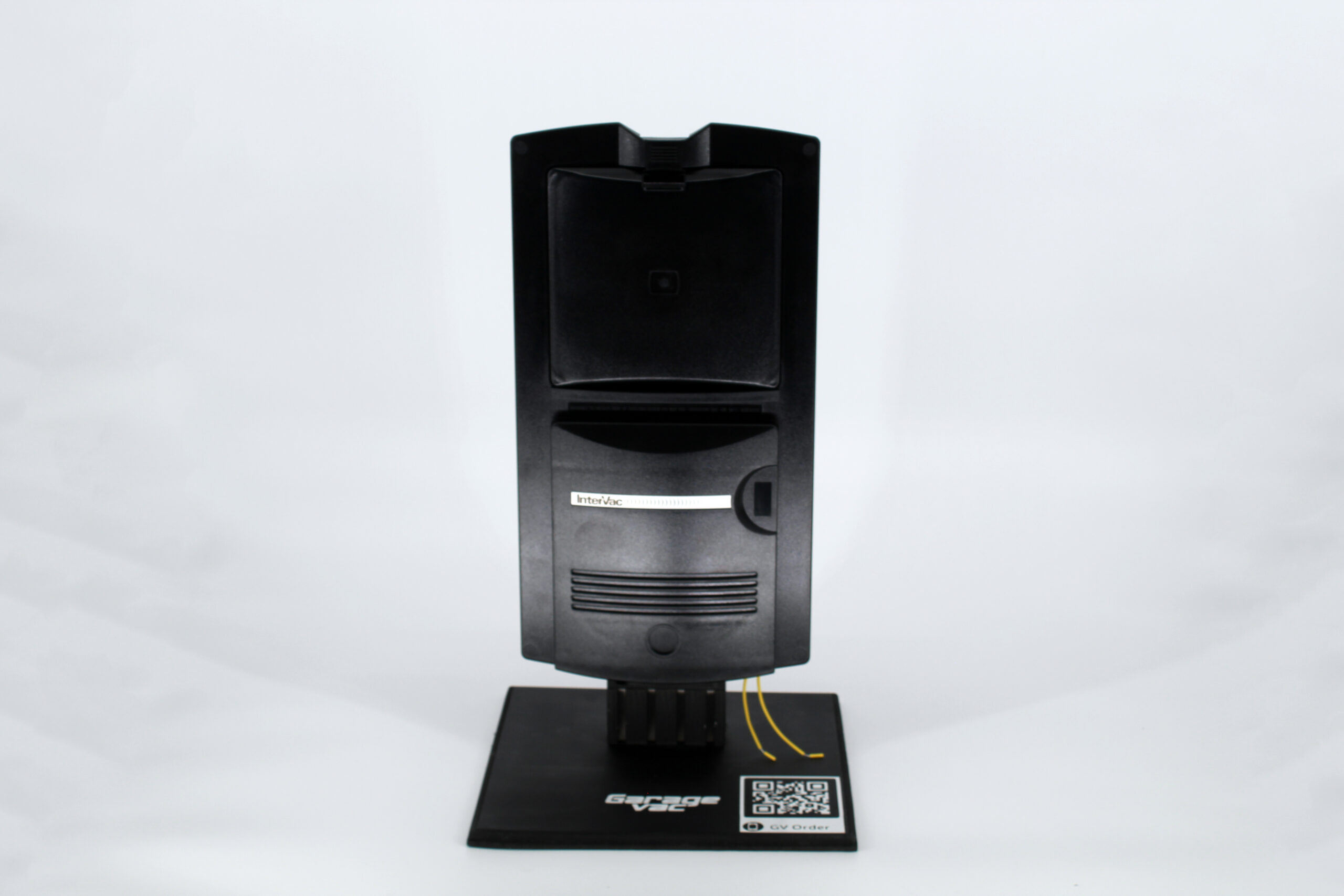
Buy too small a power unit and every inlet at the far end of the house feels weak. Buy too large and you have paid for capacity you will never use, in a bigger box than your closet wanted. Neither mistake is expensive to avoid, as long as you size a central vacuum on more than floor area.
Here are the four numbers that actually decide it.
Start with coverage rating, then add a margin
Every power unit carries a coverage rating in square feet. Ours run from about 900 sq ft on the RoadVac line, through roughly 1,500 sq ft for the GarageVac, H-120-E and RM family, up to 3,000 sq ft for the InterVac Pro.
Take your finished floor area, including any garage or basement you intend to clean, and add about 20 percent. That margin covers pipe losses and the extra bends a real house forces on you. If the result lands close to the top of a unit’s rating, step up.
Count total pipe length, not just floors
A 2,000 sq ft ranch and a 2,000 sq ft three-storey townhouse are not the same job. The townhouse has longer vertical runs and more turns, so it loses more airflow along the way.
Measure the longest single run from the power unit to the furthest inlet. If that run exceeds about 60 feet, or if it contains more than six or seven bends, treat the house as one size larger than the floor plan suggests.
Bends cost more than length
Straight pipe is cheap in airflow terms. Elbows are not. A single tight 90-degree elbow can cost as much as several feet of straight run. Use two 45-degree bends or a long sweep wherever you can, and you will often avoid stepping up a unit size at all.
Let inlet count check your work
Inlet count is a good sanity test. With a 35+ ft hose, one inlet covers a radius of roughly thirty feet in practice. Plan one inlet per floor in a compact home, two or three per floor in a larger one, plus a garage inlet and a kitchen-level VacPort if you want the automatic dustpan.
If your plan needs more than about six inlets, you are almost certainly in InterVac Pro territory regardless of what the square footage said.
Factor in what you actually clean
Two houses of the same size can make very different demands. Deep carpet, long-haired pets, a woodworking bench, or a household with allergies all push you toward more capacity, because you will run the system longer and fill bags faster.
Indoor air quality is a real part of this decision, not a marketing line. The EPA’s indoor air quality guidance is worth reading if allergies are part of why you are installing a system at all.
Bag capacity is part of sizing too
A unit that is technically adequate but slightly undersized will need its bag changed twice as often. That is a running cost and a chore, and it is the part of undersizing owners notice most. Our packs bundle five bags with a motor filter, since the filter should be changed every fifth bag.
When a smaller unit is the right call
Bigger is not automatically better. In a condo, an apartment, or a finished basement suite, a compact unit such as the H-120-E fits where a full-size power unit will not, and it still covers up to about 1,500 sq ft.
The same logic applies to a shop or a garage bay treated as its own zone. A dedicated garage vacuum often makes more sense than extending pipe from a house unit across a breezeway.
A worked example
Say you have 2,400 sq ft over two floors, plus a 500 sq ft garage you want on the system. Add them: 2,900. Add the 20 percent margin: about 3,500. That is beyond a single 3,000 sq ft unit, so you have two sensible options.
- Run the InterVac Pro for the house and keep the garage on its own self-contained unit.
- Reduce the pipe run by relocating the power unit closer to the centre of the plan, then re-check the longest run.
Nine times out of ten the first option is cheaper, simpler, and quieter. It also means a blockage in one zone never takes the whole house offline.
Sizing questions we hear often
Is a bigger unit always safer?
No. An oversized unit costs more, takes more space, and does not clean better once you are past the coverage your house needs. The failure mode people actually regret is undersizing, so size up only when two of the four checks point that way.
Do I count the basement and garage?
Count any area you intend to clean with the system. An unfinished basement you sweep twice a year still counts if you plan to put an inlet there, because the pipe run to it is real even when the usage is light.
What if my house is right on a size boundary?
Look at the pipe run rather than the floor area. A compact plan with short, straight runs will happily sit near the top of a unit’s rating. A long, awkward plan with many bends will not, and that is the case for stepping up.
Can I add inlets later?
Yes, provided the unit has capacity in hand. That is the strongest argument for a modest margin at purchase: adding a fourth inlet in three years is a pipe job, but replacing an undersized power unit is a much bigger one.
Check the plan before you buy pipe
To size a central vacuum well, work through coverage rating, longest pipe run, inlet count and cleaning load in that order. If two of the four point at a larger unit, follow them.
Send us a floor plan through our contact page and we will mark up inlet positions and confirm the unit before you spend anything. Our installation guide covers what happens next.