
Blog
Vacuuming a Boat: Why Marine Interiors Need Their Own System

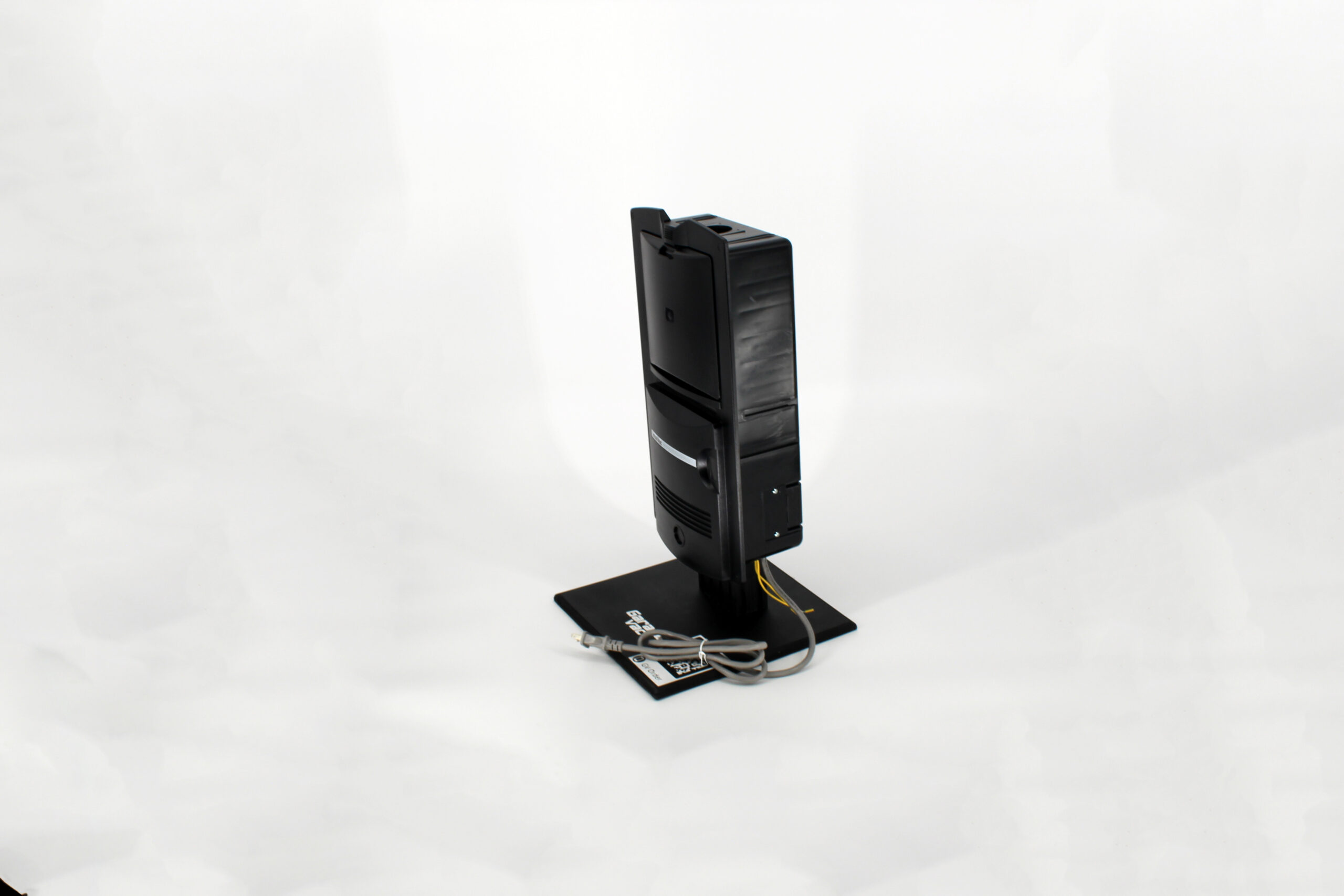
Boat interiors are one of the hardest places to keep clean and one of the worst places to store a vacuum. Everything is upholstered, everything traps sand, and the only spare space is already full. On top of that, salt air quietly destroys equipment that was designed for a hall closet. A boat vacuum system therefore has to solve a different problem from a household one.
We have built marine units for years under the RM family, and previously under the SeaVac name. Here is what actually matters below deck.
Storage is the real constraint
On a boat, every cubic foot is spoken for. A portable vacuum has to displace something, and whatever it displaces will be missed. It also has to be secured, because anything loose in a seaway becomes a projectile.
A built-in unit mounts once in a locker or bulkhead and stays there. Only the hose and tools need stowing, and those fit in a mesh bag. That single change is why built-in systems dominate on boats above about 25 feet.
Salt air punishes portable machines
Cordless units suffer most. Battery contacts corrode, charging circuits fail, and a battery stored in a damp locker over a winter often does not come back. Corded portables fare a little better, but the cord and plug live a hard life in a wet cockpit.
A permanently mounted unit in a dry locker avoids most of this. The motor stays in one place, protected, wired in, and never dunked.
Choose the mounting spot for dryness first
Pick the driest locker you have, above the bilge line, with some air movement. Avoid the lazarette if it takes spray. Then plan the hose run from there, rather than choosing a convenient hose position and putting the motor wherever is left.
Self-contained or remote-mounted
Our marine-suitable units split the same way as the rest of the range. A self-contained unit has the inlet built into the housing, so hose and motor live together. A remote-mounted unit puts the motor in a locker and the inlet somewhere in the saloon or cabin, connected by pipe.
For most boats, remote-mounted wins. The motor noise stays behind a bulkhead, and the inlet goes where you actually clean. The RM series is built for exactly this, and the RMF variant is the boat configuration.
Exhaust matters more afloat
In a house, vacuum exhaust vanishes into a large volume of air. In a cabin it does not. Fine dust that passes a thin bag comes straight back at you in a space you cannot ventilate quickly.
Two things fix this. First, a sealed multi-layer bag rather than a bagless canister, so nothing is released when you empty it. Second, on our CS line, an overboard exhaust option that vents outside the hull entirely. Venting beats filtering when the room is that small.
Power and wiring
Our marine units run on 120V shore power, with 240V available on request. That means you are cleaning at the dock or on the generator rather than off the house bank, which is usually how owners want it anyway.
Have the installation done to recognised marine practice. The standards most yards work to are published by the American Boat and Yacht Council, and they matter for anything you wire into a vessel.
Tools make the difference on upholstery
Most boat cleaning is upholstery, headliner, and the gap between cushions. A floor tool is barely used. Prioritise a crevice tool, an upholstery brush, and a dust brush, and make sure the hose is long enough to reach the forward cabin from the saloon inlet.
All our tool kits use a 32mm fitting and work across every system we build, so you are not buying model-specific tools. They also fit 32mm inlets from other brands, which helps if you are replacing an older unit rather than starting fresh.
Questions from boat owners
Will salt air destroy the unit?
Not if it is mounted in a dry locker above the bilge line with some air movement. The failures we see come from units mounted in wet lazarettes or lockers that flood in a following sea. Location matters more than any coating.
Can I run it off the batteries?
A vacuum is a heavy load for an inverter, and the start-up surge matters more than the running current. Most owners clean at the dock or on the generator. If battery operation is important, size the inverter for the surge rather than the average draw.
What about the hose in a locker?
Coil it loosely, roughly two feet across, and hang it rather than compressing it into a bag. A stretch hose loses its recoil if it is stored under tension or kinked in the same spot repeatedly. Let it dry fully before stowing after a damp job.
Do I need a different bag for a boat?
No, the bag follows the model rather than the environment. What changes is frequency: sand fills a bag much faster than household dust, so plan on changing more often than a house would need.
Bags and service
Whichever boat vacuum system you choose, note the bag model somewhere near the unit. The RM family takes the Y08-5, while the CS line splits between the single-opening Y10-5 and the double-opening Y11-5. Sand fills bags faster than household dust, so plan on changing them more often than a house would need.
Browse the boat vacuums range, or send us the layout and we will tell you where the unit should go.