
Blog
Central Vacuum vs Shop Vac: Which Belongs in a Workshop

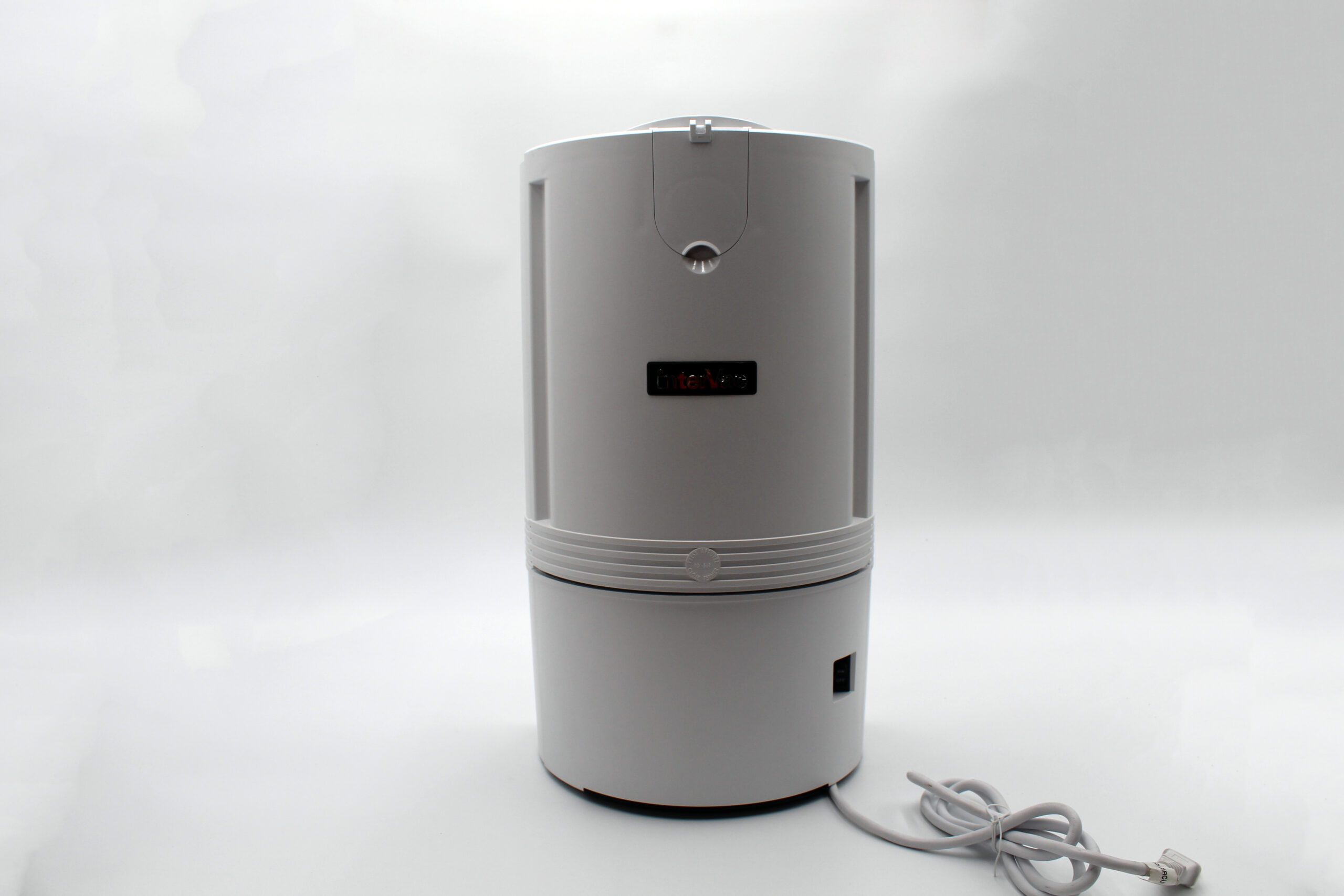
Every workshop ends up with a shop vac. It is the default purchase, it is cheap, and it does a lot of jobs adequately. The question worth asking is whether it should be the only machine in the room. Comparing central vacuum vs shop vac properly means separating two jobs that get lumped together: collecting dust at the tool, and cleaning the shop afterwards.
They are not the same job, and one machine is much better at each.
The shop vac wins at the tool
A shop vac connected to a table saw port, a sander, or a track saw is doing what it was designed for. It sits next to the tool, the hose is short, and the high sealed suction pulls chips through a small port.
A central vacuum is the wrong machine for that. The pipe run is fixed, the inlet is not next to your bench, and you do not want fine wood dust packing a house system. Keep the shop vac for tool-port collection and stop expecting it to do the rest.
The central system wins at cleaning the shop
Once you put the tools down, the balance flips. Cleaning a workshop floor means covering distance, moving a lot of light material, and not tripping over anything.
A shop vac has to be dragged, unplugged, and re-plugged. Its short hose means the machine is always in the area you are trying to sweep. A central system leaves the motor on a wall and sends a 35+ ft hose to the mess instead. In a two-bay shop that is the whole difference in whether the floor gets done weekly or monthly.
Reach, in practical terms
With one inlet and a 35+ ft hose, you cover roughly a thirty-foot working radius once you account for benches and machines in the way. Two inlets cover almost any home shop. Compare that with a typical shop vac hose of six to ten feet plus a cord.
Noise, and where you are standing
A shop vac puts a loud motor at ankle height, right where you are working. A central system puts the motor on a wall, or in another room entirely if the unit is remote-mounted, and sends only air noise down the pipe.
After an hour of shop cleanup that difference stops being a nicety. It is also why people who install a central system in a shop tend to use it more, and using it more is the entire point.
Where the dust ends up
This is the part of central vacuum vs shop vac that matters most for your lungs. Most shop vacs are bagless, and emptying a canister of fine dust in an enclosed shop releases a large share of it straight back into the air. Fine wood dust is the fraction that stays airborne longest and travels deepest, which is why OSHA treats wood dust as a respiratory hazard rather than a housekeeping issue.
A bagged central system captures that fraction in a sealed five-layer bag, backed by a motor filter and an exhaust filter. You pull the bag and bin it without opening anything.
Running cost over five years
A shop vac costs less on day one and more per year of hard use. Hoses split, wheels break, filters clog, and the motor eventually takes in something it should not have. Replacement is usually cheaper than repair, which tells you what kind of product it is.
A central unit costs more up front and is built to be serviced. We stock motors, boards, switches, cords, hoses and housing parts for every system we have built, so a failure in year four is a part order rather than a new machine.
Sizing a system for a shop
Shop dust loads are heavier than household ones, so size up rather than down. The InterVac Pro is rated up to 3,000 sq ft and handles a shop plus a house on one unit. For a detached shop or a single bay treated as its own zone, a self-contained wall unit such as the GarageVac GH120 is often the simpler answer, rated to about 1,500 sq ft.
Our guide to sizing a central vacuum walks through coverage rating, pipe length and inlet count in more detail.
Workshop questions
Can I connect a central inlet to a table saw?
We would not. Central pipe is sized for cleaning airflow, not for continuous chip collection, and a saw will pack a run faster than you can clear it. Keep a shop vac or a dedicated dust collector on the tool and use the central system for the room.
What about drywall or plaster dust?
Avoid it in quantity in any dry system. Those particles pass into the bag fibres and coat the motor filter within minutes rather than weeks. For a renovation, hire a machine built for it.
How often will I change bags in a shop?
Every six to eight weeks in regular use, and more often if you sand. Keep a spare pack on the shelf beside the unit, because the change you postpone is the one that costs you suction for a month.
Is fine wood dust really a health issue?
The fine fraction stays airborne longest and travels deepest into the airway, which is why it is treated as a respiratory hazard rather than a housekeeping matter. Capturing it in a sealed bag is meaningfully better than moving it around with a broom.
The answer most shops land on
Run both. Keep the shop vac plumbed to the tools that need a port. Put a central inlet on the wall for everything else, and expect to change bags more often than a house would.
One warning worth repeating: never use a dry central system on liquid. If your shop floor gets wet, that stays the shop vac’s job. Our note on shop vac horsepower ratings is worth reading before you shop for either machine.