
Blog
Overboard Vacuum Exhaust: Why Small Cabins Vent Instead of Filter

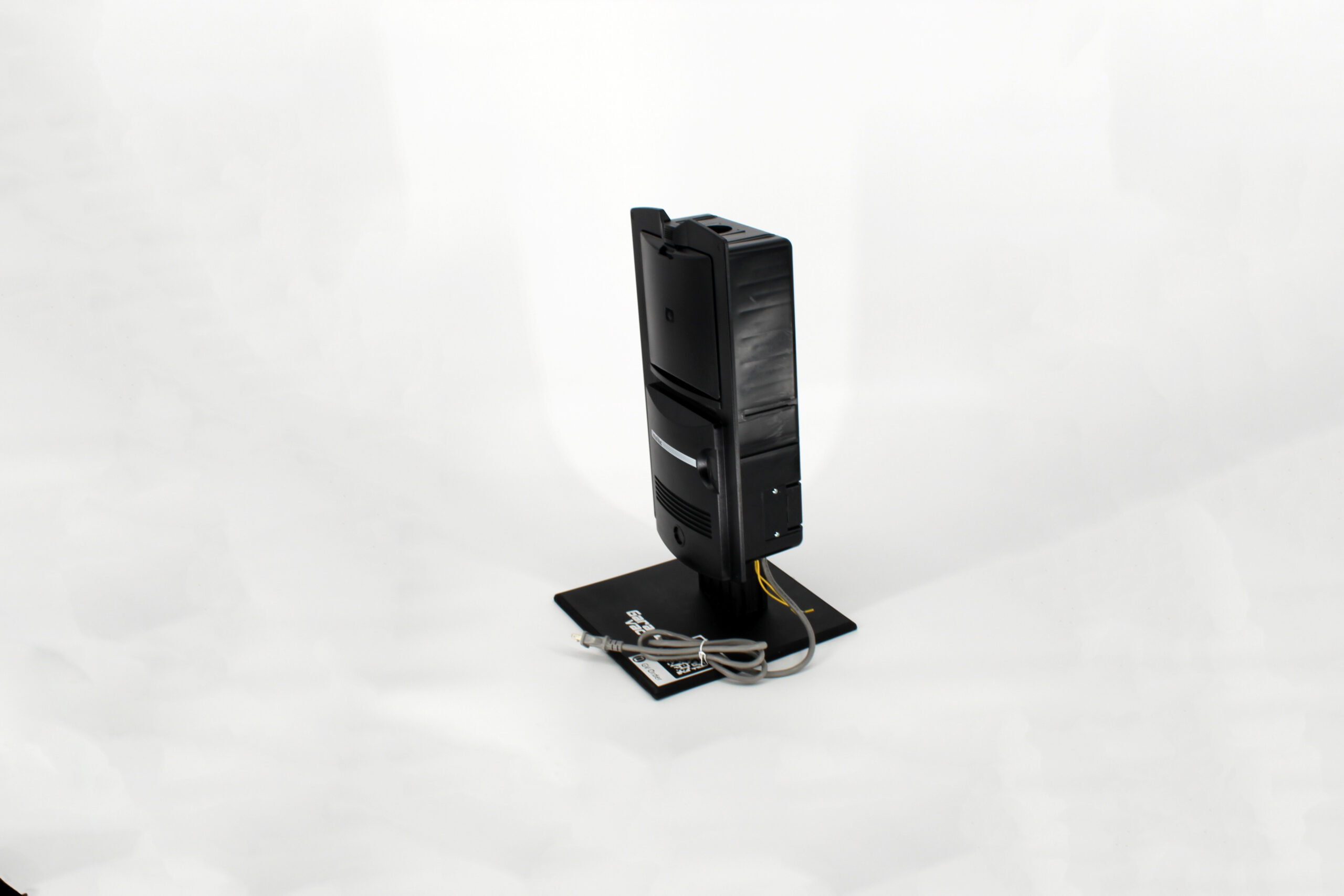
Every vacuum has to put its air somewhere. In a house that is a non-issue, because the room is large and the exhaust disperses. In a 300 sq ft cabin it is the single most important design decision, and it is why our RoadVac CS line offers an overboard vacuum exhaust rather than a bigger filter.
Here is the reasoning, and how the option works in practice.
Filtration has a limit, and small rooms find it
An exhaust filter captures a proportion of what passes through it. In a large space, the remainder disperses into enough air volume that you never notice it.
Shrink the room to a coach interior or a boat saloon and the arithmetic changes. The same remainder now enters a very small volume with limited ventilation, and you are standing in it. This is why owners of small spaces often report that the cabin feels dusty right after vacuuming, which sounds like a contradiction until you follow the air.
Venting removes the problem rather than reducing it
An overboard exhaust ducts the air out of the living space entirely, through the hull or the sidewall, to atmosphere. Whatever the bag and motor filter did not catch leaves the vessel instead of joining you at the dinette.
That is a categorically different outcome from filtering more aggressively. It is also why our CS line carries no exhaust filter by design. Adding one would be treating the symptom.
The parts involved
Two parts make it up: the C-060-E overboard exhaust funnel and the AS-61 CS exhaust kit. Both are stocked, and both are specific to the CS line rather than to a particular model within it.
Where to put the outlet
Three rules govern the outlet position, and they matter more than the ducting run.
- Keep it away from any opening hatch, window or vent that feeds back into the cabin.
- Keep it away from the fresh-air intake for heating or air conditioning.
- Point it down or aft, so weather does not drive water back up the duct.
On a boat, keep the outlet well above the waterline and observe the same practice you would for any other hull penetration. The standards yards work to are published by the American Boat and Yacht Council, and a vacuum exhaust is still a hole in a hull.
Keep the duct short and straight
Exhaust ducting costs airflow the same way intake pipe does. Every bend adds restriction, and a restricted exhaust makes the motor work harder for no benefit.
So mount the power unit near the intended outlet rather than routing a long duct across the vessel. If the two cannot be close, reconsider the unit position before you accept a long run.
Which systems this applies to
The overboard option belongs to the RoadVac CS line: the CS-6, CS-8, CS-9, CS-10, CSRM and CSRM-RC. All are rated for spaces up to 900 sq ft, which covers a coach, a boat interior, or a tiny home.
Our home and garage systems work the other way. They carry a proper exhaust filter, the Y41 or Y50 depending on family, because they are usually installed in a garage, basement or utility room where the exhaust has somewhere to go. Our filter guide covers those.
What it means for maintenance
No exhaust filter means one fewer consumable, which is a small saving. It does not change the rest of the schedule. Change the bag every six to eight weeks in a coach, and change the Y22 motor filter after every fifth bag.
Check the outlet grille twice a year for obstruction, particularly if the vessel has been laid up. A blocked outlet is a restriction like any other and will show up as weak suction. Our suction checklist puts it in the right diagnostic order.
Exhaust questions
Can I retrofit an overboard exhaust?
Sometimes, but it usually means repositioning the power unit so the duct run stays short. It is much easier to specify at install than to add later, which is why it belongs in the plan.
Will it let water in?
Not if the outlet points down or aft and sits well clear of the waterline. Treat it like any other hull or sidewall penetration and fit it to the same standard.
Does venting outside lose suction?
Only if the duct is long or full of bends. A short, straight run is less restrictive than an exhaust filter, so a well-executed overboard install can actually breathe more freely than a filtered one.
Is it noisy outside?
You are moving the motor noise outward along with the air, so the outside of the vessel is louder and the inside is quieter. In a marina, point the outlet away from neighbouring boats.
Do home systems need this?
No. A garage, basement or utility room has enough air volume that a proper exhaust filter does the job. The overboard option exists specifically because small cabins do not.
Worth specifying from the start
Retrofitting an overboard exhaust after a unit is installed usually means moving the unit, so this belongs in the plan rather than in a later upgrade. If you are speccing a production build, our note on specifying a central vacuum for RV production covers it alongside the other decisions.
Compare the line on our RV vacuums page, or send us the layout and we will tell you where the outlet should go.